Planning Your Avondale Pole Barn: What You Need to Know
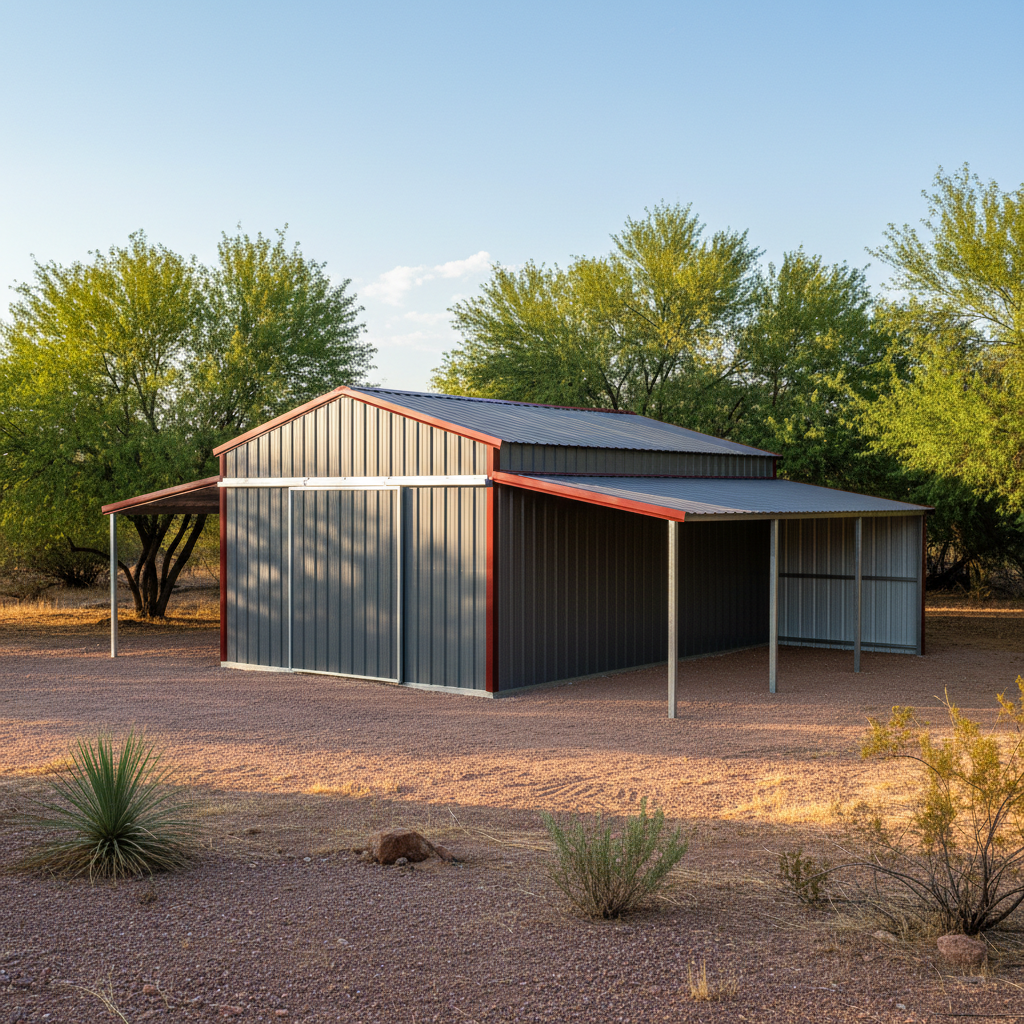
So, you're thinking about putting up a metal pole barn on your property here in Avondale? That's a smart move. Whether it's for extra storage, a workshop, or even a place for your RV, a well-built pole barn adds a ton of value and utility. But before you jump in, you need a plan. Building anything substantial isn't just about picking out a design; it's a process. And knowing that process upfront can save you a lot of headaches and money.
I've seen plenty of projects come and go, and the ones that run smoothly always start with clear expectations. Let's talk about what that looks like for your pole barn.
The Project Timeline: What to Expect
Look, building a pole barn isn't an overnight thing, but it's also not a years-long endeavor like building a custom home. From the moment you decide you want one to the day you're moving your stuff in, here's a general breakdown of the timeline:
Initial Consultation & Design (1-3 weeks): This is where you meet with me, or another contractor, to discuss your needs. We'll talk size, features, colors, and what you plan to use it for. We'll draft up some preliminary designs and get you an estimate. This phase is crucial for getting everything right on paper.
Permitting (4-12 weeks, sometimes more): This is often the longest part, and it's mostly out of our hands. Here in Avondale, or anywhere in Maricopa County, you'll need permits. We're talking about zoning approval, building permits, maybe even a site plan review. The city or county planning department has its own schedule, and sometimes they're backed up. We'll help you with the paperwork, but patience is key here. Make sure your contractor is familiar with local codes; for example, the wind load requirements here in the Valley can be specific, especially with those summer monsoons we get.
Material Ordering & Delivery (2-6 weeks): Once permits are in hand, we order your materials. Steel, roofing, doors, windows – it all needs to be fabricated and shipped. Supply chains can be tricky sometimes, so this isn't always an exact science, but we'll keep you updated.
Site Preparation (1-2 weeks): Before any construction starts, your site needs to be ready. This includes clearing the area, leveling the ground, and potentially laying a foundation. Sometimes we'll need to deal with the caliche soil we have around here, which can be pretty tough to dig through, but it makes for a solid base once it's prepped right.
Construction (3-8 weeks): This is the exciting part! Once the materials are on site and the ground is prepped, my crew gets to work. The actual build time depends on the size and complexity of your barn. A simple, small structure will go up faster than a large, multi-bay barn with a lot of custom features. Weather can play a role too; we can't pour concrete in the rain, and working in 115-degree heat slows things down, but we push through.
So, all in, you're typically looking at anywhere from 3 to 6 months from initial discussion to completion. Don't let anyone tell you it's much faster unless it's a tiny shed that doesn't need permits.
How to Prepare Your Property & Yourself
While we handle the heavy lifting, there are things you can do to make the process smoother:
Clear the Site: Before we even break ground, make sure the area where the barn will go is clear of debris, old structures, or anything that might hinder access. If there are trees or shrubs you want removed, get that done ahead of time.
Access: We'll need clear access for trucks delivering materials and for our equipment. Think about the path from the street to the build site. Are there narrow gates or obstacles?
Utilities: If you're planning on running electricity or plumbing to your pole barn, let us know early. We can factor that into the design and coordinate with electricians or plumbers. It's much easier to do this during construction than to retrofit it later.
Communicate: Stay in touch with your contractor. If you have questions or concerns, bring them up. We're here to help, and good communication prevents misunderstandings.
Budget for the Unexpected: While we aim for accurate estimates, sometimes unforeseen issues pop up – like finding an old, unmapped utility line. Having a small contingency fund (5-10% of the project cost) is always a good idea.
Questions to Ask Before You Sign That Contract
This is where you protect yourself and ensure you're getting a quality build. Don't be shy; ask everything that's on your mind. Here are some key questions:
Are you licensed and insured? This isn't just a formality; it protects you if something goes wrong. Ask for proof of both.
Can you provide references? A good contractor will be happy to connect you with past clients. You can also check online reviews.
What's included in the price? Get a detailed breakdown. Does it include site prep, permits, concrete slab, doors, windows, insulation, electrical? Make sure there are no hidden costs.
What kind of warranty do you offer on your work? And what about the materials? Metal roofs and siding should come with a good manufacturer's warranty.
How do you handle change orders? If you decide mid-project you want an extra window or a different door, how will that impact the cost and timeline?
What's the payment schedule? A reputable contractor won't ask for 100% upfront. Typically, it's a deposit, progress payments, and a final payment upon completion.
Who will be supervising the project on-site? You want to know there's a dedicated person overseeing the work.
How do you handle debris removal? Will they clean up the site thoroughly once the project is done?
What's your estimated start and completion date? Get this in writing, understanding that permitting can affect the start date.
Asking these questions helps you understand exactly what you're getting into and builds trust with your contractor. Here at Avondale Metal Buildings, we're always transparent about our process because we want you to be happy with your new pole barn for years to come. A little planning goes a long way to making your project a success.