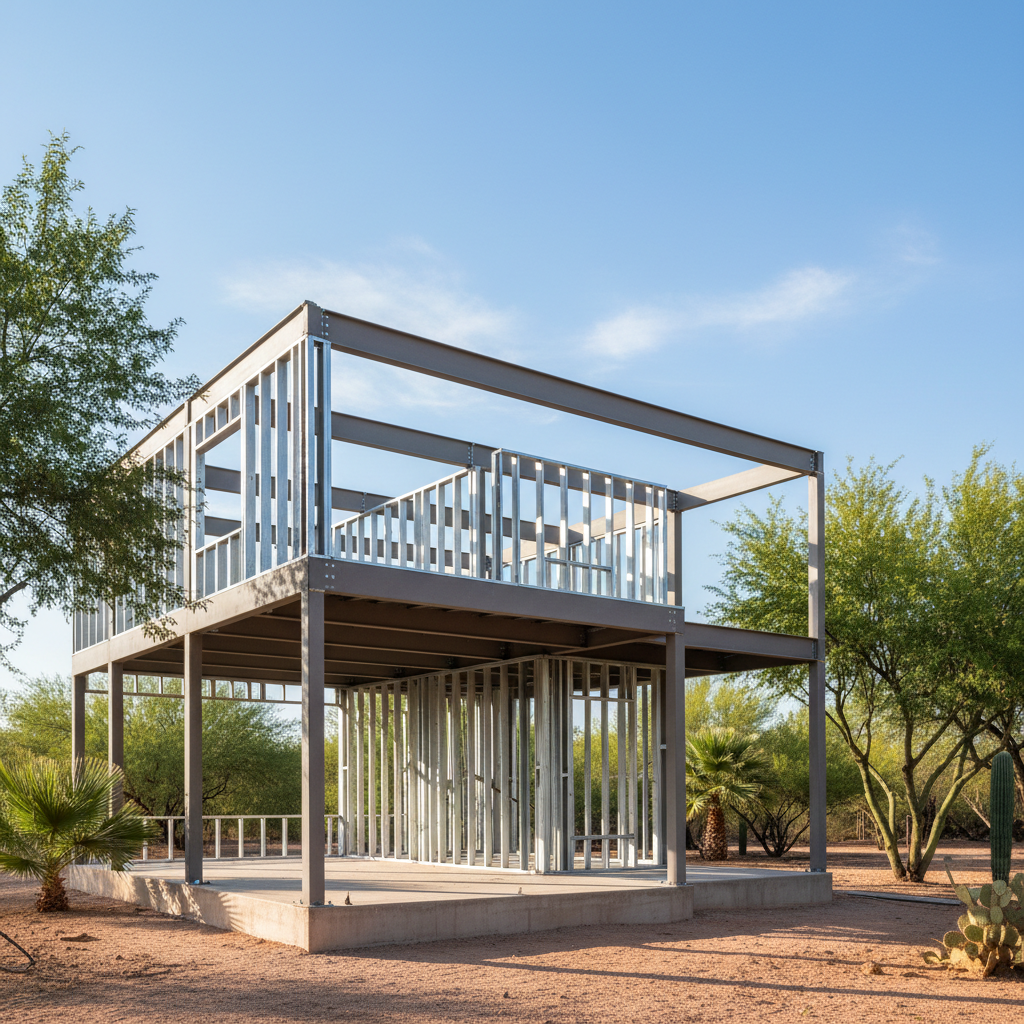
So, you've got yourself a steel frame building here in Avondale. Good on ya! You've invested in something built to last, something that can stand up to our scorching summers and those occasional dust storms that roll in off the desert. But 'built to last' doesn't mean 'set it and forget it.' Even the toughest steel needs a little love to really go the distance. Think of it like your truck; you wouldn't just drive it without changing the oil, right? Same goes for your building.
Making Your Steel Building Last Longer
The biggest enemy to any structure out here, besides maybe a rogue monsoon, is the sun. That relentless UV radiation can be brutal, especially on coatings and sealants. That's why when we put up a building at Avondale Metal Buildings, we're always thinking about long-term protection. But once it's up, it's on you to keep an eye on things.
One of the best things you can do to extend your steel building's life is to keep its exterior clean. Dust, dirt, and even bird droppings can hold moisture, speeding up wear on protective coatings. A good rinse with a garden hose a couple of times a year is usually enough. For tougher grime, a mild detergent and a soft brush can work wonders. Just avoid anything abrasive that could scratch the finish, obviously.
Another big one is proper drainage. Our soil here in Avondale, especially around areas like Garden Lakes, can be pretty expansive clay. You definitely don't want water pooling around your foundation. Make sure your gutters and downspouts are clear and directing water well away from the building's base. Standing water is just asking for trouble, even with a solid concrete slab.
What Regular Upkeep Looks Like
Regular maintenance isn't some complicated, all-day affair. It's more about routine checks. I usually tell folks to do a thorough walk-around at least once a year, maybe in the cooler months when it's not 110 degrees out.
- Check the Roof: Look for any debris that's collected, especially after a windy day. Check for loose fasteners, damaged panels, or any signs of rust developing, particularly around penetrations like vents or skylights.
- Inspect Walls and Siding: Are there any dings or dents? Is the paint or coating still looking good, or are you seeing any fading or chalking? Pay close attention to the bottom edge of the panels where they meet the foundation – this is a common spot for dirt and moisture to accumulate.
- Doors and Windows: Make sure they're operating smoothly. Check the weather stripping and seals. Our dust can really get into tracks and mechanisms, so a good cleaning and lubrication can prevent bigger headaches down the road.
- Fasteners and Sealants: This is crucial. Over time, due to thermal expansion and contraction (and we get plenty of that here!), fasteners can loosen, and sealants can crack or dry out. Look for any exposed screw heads or gaps where water could get in.
Warning Signs of Problems
You're looking for anything that seems off. Trust your gut. If something doesn't look right, it probably isn't. Here are some common red flags:
- Rust: Any sign of rust, especially red rust, needs attention. Surface rust can often be treated, but if you leave it unchecked, it'll eat right through the metal.
- Leaks: Obvious, right? But sometimes a leak isn't a drip; it's a damp spot on the ceiling or wall. Trace it back and figure out where the water's getting in.
- Loose or Missing Fasteners: If you see screws backing out or completely gone, that's a structural issue waiting to happen.
- Distorted Panels: If a wall panel or roof panel looks bent, buckled, or out of alignment, that's a sign of stress or damage.
- Cracks in the Foundation: Small hairline cracks are often normal, but if you see wide cracks, or cracks that are growing, that could indicate a settlement issue.
- Peeling or Blistering Paint/Coating: This means the protective layer is failing, leaving the steel exposed.
When to Call a Professional
Look, I'm a big believer in doing what you can yourself. But there are times when you just need to call in the pros. If you see any of those warning signs and you're not sure how to fix them, or if it involves working at heights you're not comfortable with, don't hesitate. Climbing on a roof, especially a metal one, can be dangerous.
If you're dealing with significant rust, structural damage, persistent leaks you can't trace, or foundation issues, that's definitely a job for someone with experience. We've seen it all here at Avondale Metal Buildings, and we can usually diagnose the problem pretty quickly. Sometimes a small repair now can save you from a much bigger, more expensive problem later. Don't let a minor issue turn into a major headache just because you put off making that call.
Your steel building is a solid investment. A little bit of regular attention will ensure it keeps serving you well for decades to come, no matter what our Arizona climate throws at it.