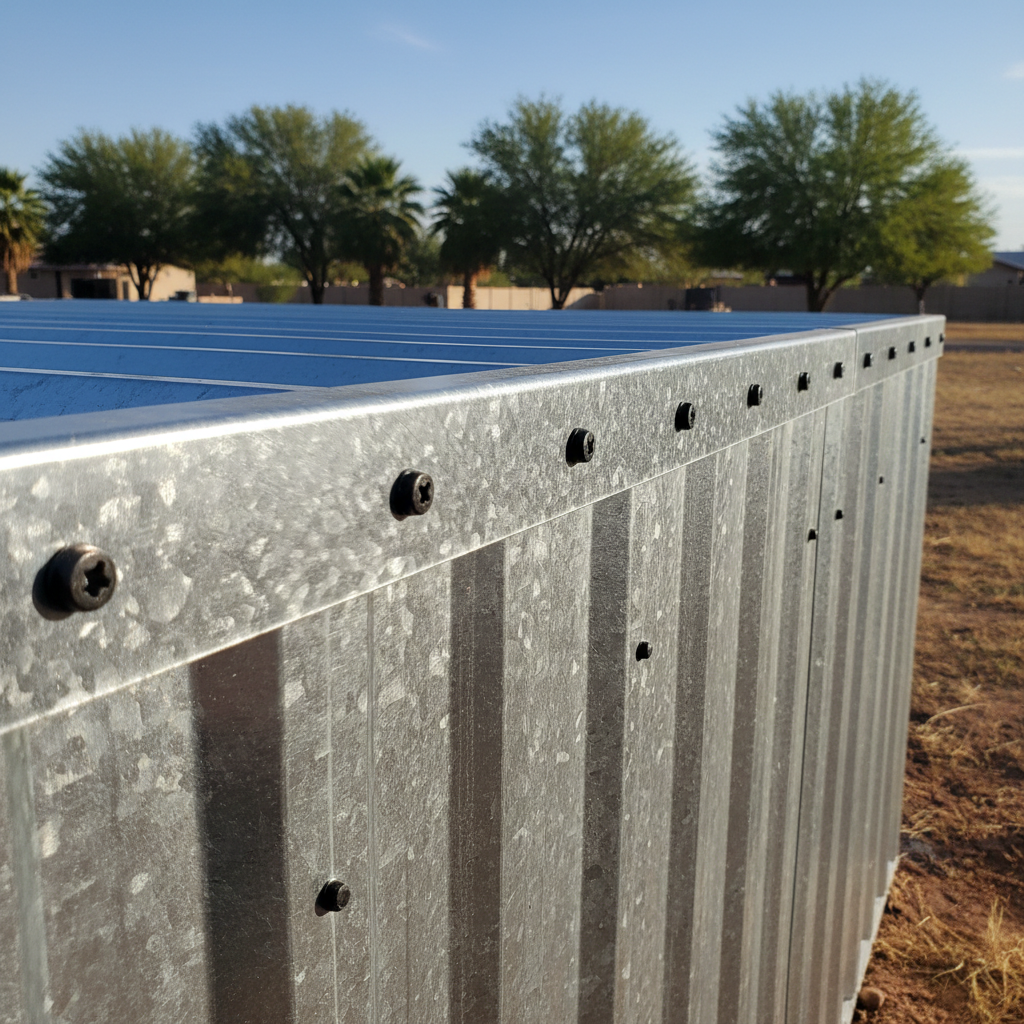
So, you've got a metal building kit sitting in your yard, or maybe you're just thinking about getting one. That's great! Metal buildings are tough, versatile, and a smart investment, especially here in Avondale where they stand up to our intense summer sun and monsoon winds better than a lot of other options. But getting it from a pile of parts to a finished structure? That's where the rubber meets the road. Let's talk about what you can realistically do yourself and when it's just plain smarter to bring in the pros.
Before You Even Unpack a Single Bolt
Planning is everything. Seriously, don't skip this part. First off, permits. You absolutely need to check with the City of Avondale planning department. They'll tell you about setbacks, zoning, and what kind of foundation your building needs. You don't want to get halfway through a build only to find out you're in violation. Trust me, that's a headache you don't need.
Next, think about your site. Is it level? Our Avondale soil, especially around the older parts of town or near the riverbed, can be a mix of caliche and softer stuff. You might think your backyard is flat, but even a slight slope can cause big problems for a metal building. A proper, level foundation is non-negotiable. For smaller sheds, you might get away with a gravel pad and concrete blocks, but for anything substantial, you're looking at a concrete slab. If you're not comfortable with grading, compacting, and pouring concrete, this is your first big decision point for calling in a pro. A bad foundation means a crooked building, doors that don't close right, and a whole lot of frustration down the line.
Also, utility lines. Before you dig anything, call 811. It's free, and it'll save you from hitting a water pipe or, worse, an electrical line. You'd be surprised how often people forget this simple step.
Getting Your Hands Dirty: The Installation Process
Alright, you've got your permits, your site's prepped, and your kit is ready. What's next?
- Unloading and Inventory: This is a DIY job all the way. Check every single piece against the packing list. You don't want to be missing a critical brace when you're halfway through assembly. Organize everything. Trust me, a well-organized pile of parts saves hours later on.
- Framing: This is where things get serious. For smaller, simpler kits, two or three handy people can often manage the frame assembly. You'll need ladders, wrenches, and a good level. Follow the instructions exactly. Don't eyeball it. Metal buildings are precision-engineered. If one piece is off, it throws everything else off. For larger buildings, or if you're not comfortable working at heights or with heavy steel beams, professional help is a prime candidate here. We've seen folks try to lift heavy trusses with inadequate equipment, and it's just not safe.
- Sheeting and Roofing: Once the frame is up and plumb, it's time for the metal panels. This is usually more straightforward than the framing, but it takes time and patience. You'll be screwing a lot of screws. Make sure they're all tight and sealed properly. This is crucial for keeping out our dust and those summer monsoon rains. You can definitely do this yourself, but it's tedious.
- Doors and Windows: Most kits come with pre-fabricated doors and windows. Installing these is usually pretty manageable for a homeowner. Just make sure everything is square and sealed up tight.
Now, a word about tools. You'll need a good impact driver, a set of sockets, a tape measure, a chalk line, and a magnetic level, at minimum. Don't skimp on safety gear either: gloves, eye protection, and a hard hat aren't optional when you're working with metal.
After the Build: Finishing Touches and What to Watch For
So your building's standing tall. Great job! But you're not quite done. Walk around it. Check every screw, every seam. Are there any gaps? Any places where water could get in? Seal them up. Caulk any openings around doors and windows. You want this building to last.
For things like electrical wiring or plumbing, unless you're a licensed professional yourself, you absolutely need to call in a qualified electrician or plumber. Messing with those systems isn't just dangerous, it's illegal without the right certifications and permits. Don't risk it.
Insulation is another big one, especially here in Avondale. If you're planning on using the building for anything other than basic storage, you'll want to insulate it. It's a job you can tackle yourself with roll insulation or rigid foam panels, but it's messy and time-consuming. Just remember, a well-insulated building means lower cooling costs when it's 115 degrees outside.
Look, building a metal structure isn't rocket science, but it does require some know-how, the right tools, and a healthy respect for safety. For a smaller shed or carport, a determined homeowner can absolutely pull it off. But for anything larger, or if you're feeling overwhelmed, don't hesitate to call a local expert. At Avondale Metal Buildings, we've seen it all, and we're always happy to give advice or lend a hand when you need it. Sometimes, paying a pro a little upfront saves you a lot of grief and money down the road.