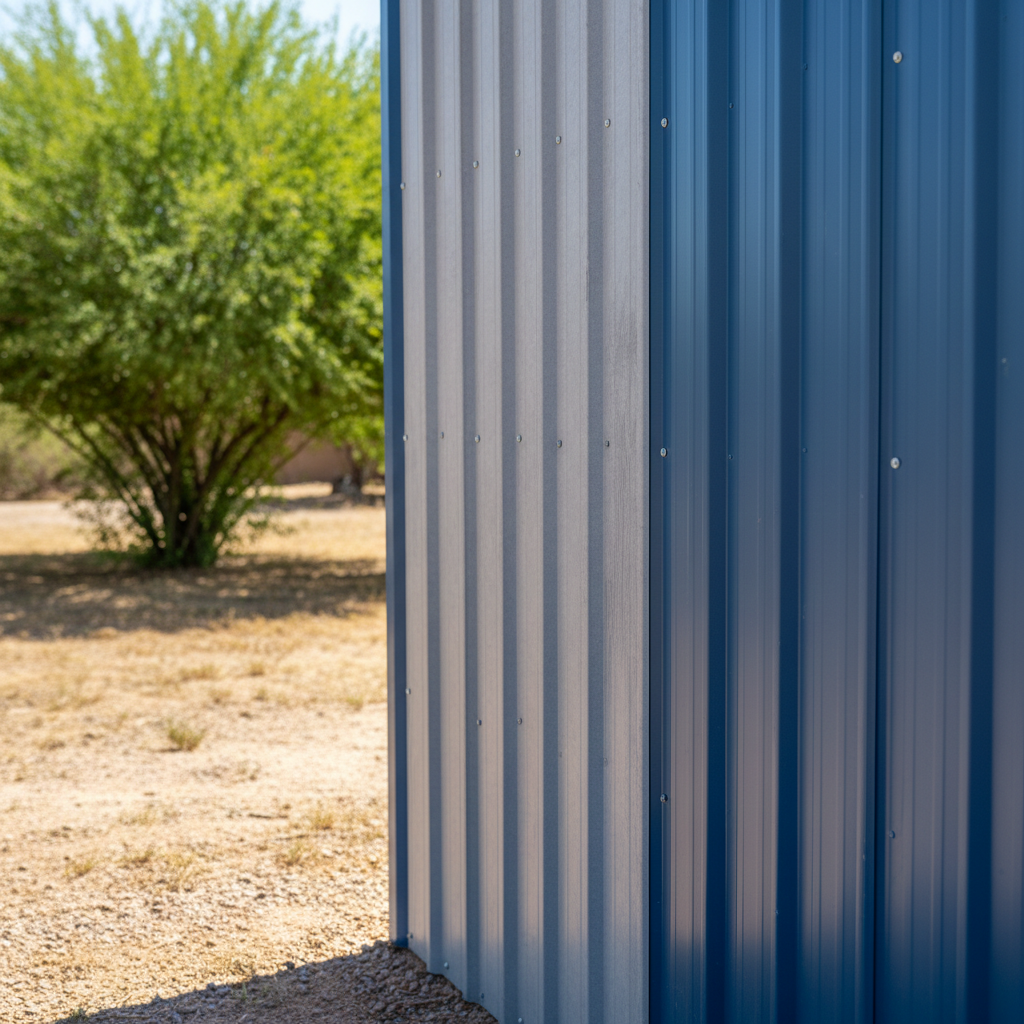
Thinking about adding a metal pole barn to your property right here in Avondale? That's a smart move! These buildings are tough, super versatile, and honestly, they just make sense for our desert climate. But before you even think about grabbing a shovel or ordering materials, let's get real about what goes into a project like this. It's not just about putting up some steel; you've got to plan, get permits, and really know your limits.
Before You Break Ground: The Real Prep Work
This is the part where most folks either set themselves up for smooth sailing or a whole lot of headaches. You can't just decide you want a barn and start digging, can you? First off, zoning. Every city has rules, and Avondale is no different. You'll need to check with the city's planning department to figure out setbacks, maximum heights, and what you can even build on your specific lot. Seriously, don't skip this; fines are way more expensive than a few phone calls, trust me.
Then, there's the foundation. Even though we call them 'post-frame' barns because they use posts sunk into the ground, you still need a solid plan for that base. What's your soil like? Here in Avondale, we've got everything from hard caliche to sandy loam. That's going to change how deep your posts need to go and what kind of concrete you'll pour for the footings or slab. You can probably do some basic site clearing yourself – moving rocks, maybe leveling out a small area with hand tools. But for serious grading, or if you suspect you've got some tricky soil, a professional site prep crew is worth every single penny. They've got the heavy equipment and the know-how to get it perfectly level and compacted, which is absolutely critical for a building that lasts.
Permits are another big one. You'll definitely need building permits, and possibly electrical or plumbing permits if you're adding those features. This whole process can feel a bit like a maze, especially if you haven't done it before. You can certainly try to pull them yourself, but if you're feeling overwhelmed, a good contractor will handle all that paperwork for you. That's part of what you're paying them for, after all.
During Construction: Where DIY Meets Reality
Okay, plans are approved, the site's prepped. Now for the actual build. This is where the "DIY or Pro" question really gets interesting. If you're building a small, simple shed-sized pole barn – say, 10x12 or 12x20 – and you're handy with tools, have a few strong friends, and a lot of patience, you might be able to tackle the kit yourself. These smaller kits often come with detailed instructions, and the components usually aren't too heavy for a couple of people to manage.
However, once you get into larger structures – 30x40, 40x60, or anything with significant height – you're talking about serious lumber, heavy steel panels, and often, specialized equipment. Lifting those long trusses or heavy roof panels safely requires a lift or a crane, not just a few guys on ladders. Framing a pole barn needs precision; if your posts aren't plumb or your trusses aren't square, you'll have problems down the line. Think leaks, structural weaknesses, doors that don't close right. That's where a professional crew, like us at Avondale Metal Buildings, really shines. We've got the experience, the tools, and the manpower to get it done right, safely, and efficiently.
Things like pouring concrete for the slab, electrical wiring, and plumbing are almost always best left to licensed professionals. You really don't want to mess around with electricity or water; it's a safety issue and can lead to costly repairs if not done correctly. Plus, you'll need inspections for these trades anyway.
After the Build: Keeping Your Investment Solid
So, your pole barn is up, inspected, and ready to go. What now? This part is definitely more DIY-friendly. Regular maintenance is key to making your investment last. Walk around your building a few times a year. Look for loose screws on the metal panels, especially after a good monsoon storm. Check the caulking around doors and windows. Make sure your gutters (if you have them) are clear of debris – we get plenty of dust and leaves here that can clog them up fast. Keeping the area around the base of the building clear of vegetation helps prevent moisture issues and keeps pests away.
If you notice any small issues, like a loose panel or a bit of rust starting, you can usually handle these yourself with basic tools and some touch-up paint. But if you see significant damage, like a bent post, a sagging roof section, or major leaks, don't try to be a hero. That's when you call in the pros. Structural repairs are serious business, and you want someone who knows what they're doing to assess and fix the problem before it gets worse.
Ultimately, a pole barn is a fantastic addition to any Avondale property. Just remember to be realistic about your skills, your time, and the scale of the project. Sometimes, saving a few bucks upfront by doing it all yourself can end up costing you a lot more in the long run if things aren't done right. Knowing when to roll up your sleeves and when to pick up the phone? That's the smartest move you can make.